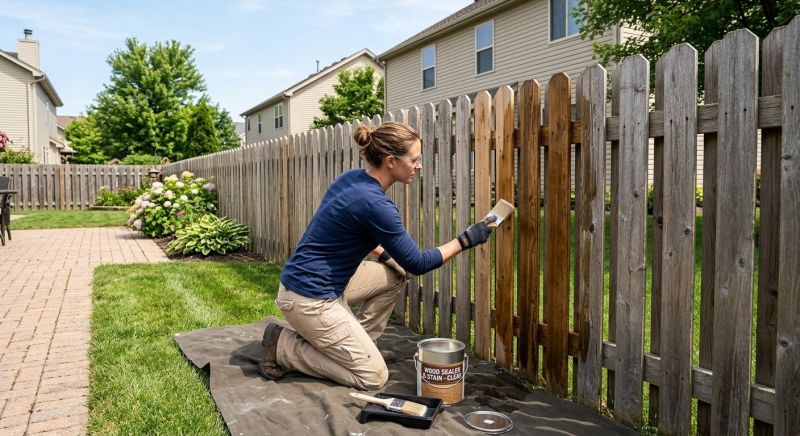
Cedar Fence Sealing in Kitsap County, WA
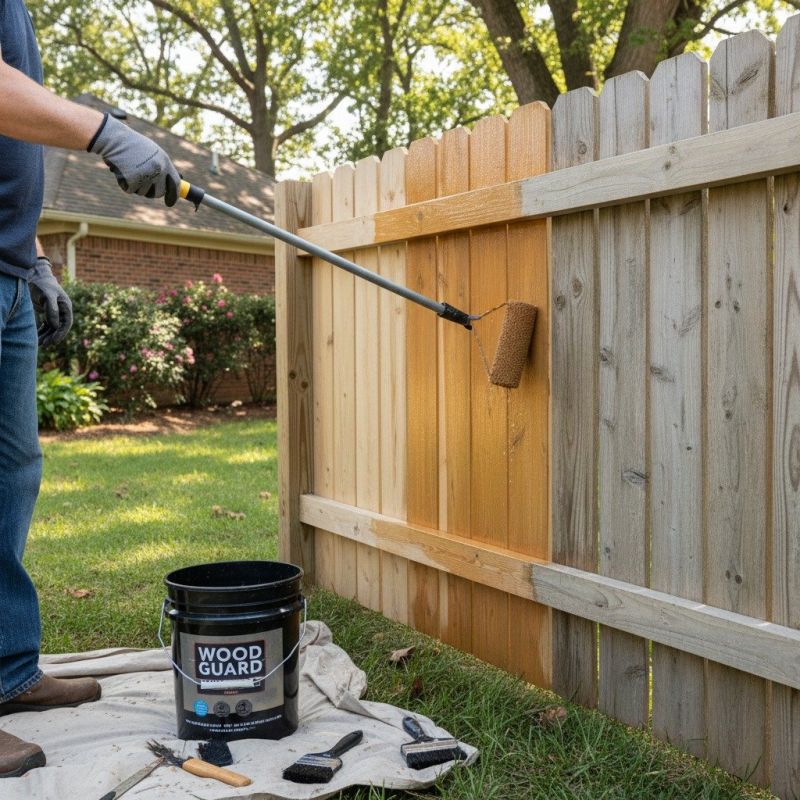
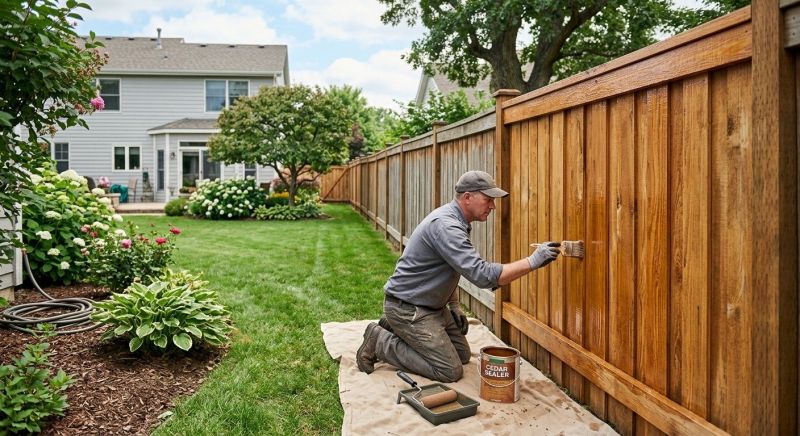
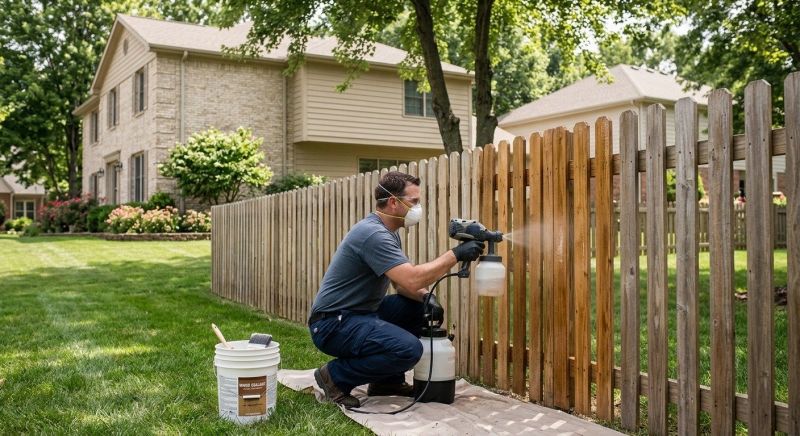
Cedar fence sealing services involve applying a protective coating to cedar fences to enhance their durability and appearance. This process helps shield the wood from moisture, UV rays, and other environmental elements that can cause warping, cracking, or fading over time. Projects typically include sealing existing cedar fences, whether they are part of a backyard boundary, garden enclosure, or decorative feature, ensuring the wood maintains its natural beauty and structural integrity for longer periods.
Homeowners often seek cedar fence sealing to preserve their investment and reduce maintenance needs. Before requesting this service, property owners should consider the current condition of their fence, including any signs of weathering or damage. It’s also helpful to understand the type of sealant used, as different finishes offer varying levels of protection and appearance. Proper preparation, such as cleaning or repairing the fence beforehand, can contribute to a more effective sealing process and longer-lasting results.
Many property owners in Kitsap County, WA look into Cedar Fence Sealing for repairs, replacements, upgrades, and appearance-related improvements.
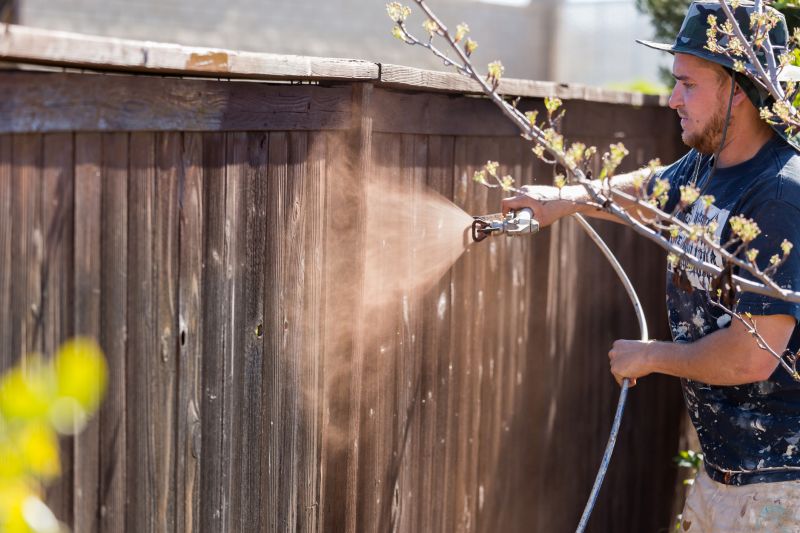
Benefits Of Cedar Fence Sealing
Sealing helps protect cedar fences from moisture, decay, and weather damage.
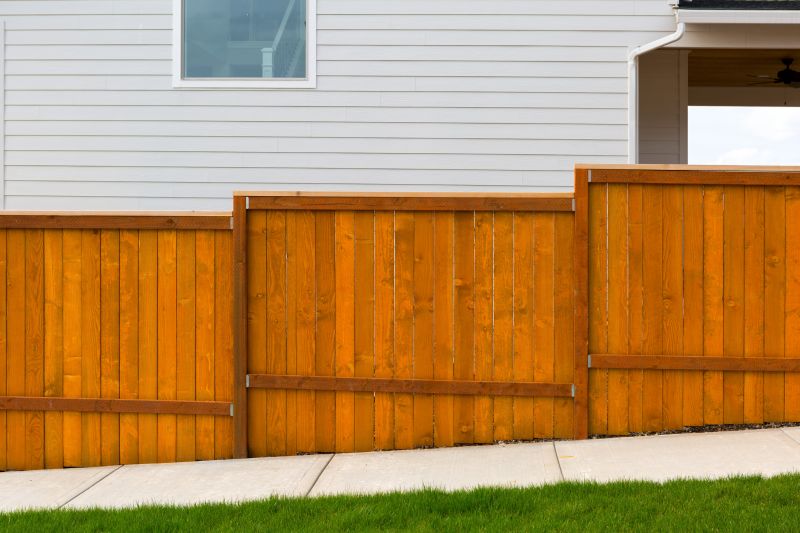
Common Cedar Fence Projects
Many property owners in kitsap county seek sealing to maintain privacy and enhance curb appeal.
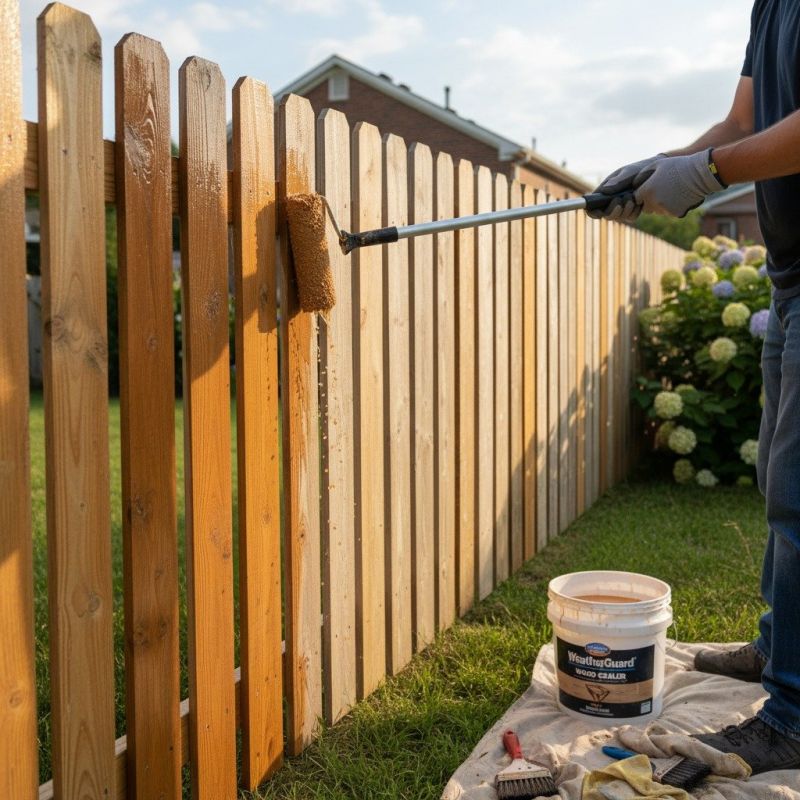
Maintenance Tips For Cedar Fences
Regular sealing extends the life of cedar fences and keeps them looking their best over time.
Cedar Fence Sealing in Kitsap County, WA

Cedar fence sealing services involve applying a protective coating to cedar fences to enhance their durability and appearance. This process helps shield the wood from moisture, UV rays, and other environmental elements that can cause warping, cracking, or fading over time. Projects typically include sealing existing cedar fences, whether they are part of a backyard boundary, garden enclosure, or decorative feature, ensuring the wood maintains its natural beauty and structural integrity for longer periods.
Homeowners often seek cedar fence sealing to preserve their investment and reduce maintenance needs. Before requesting this service, property owners should consider the current condition of their fence, including any signs of weathering or damage. It’s also helpful to understand the type of sealant used, as different finishes offer varying levels of protection and appearance. Proper preparation, such as cleaning or repairing the fence beforehand, can contribute to a more effective sealing process and longer-lasting results.
Many property owners in Kitsap County, WA look into Cedar Fence Sealing for repairs, replacements, upgrades, and appearance-related improvements.
Common Cedar Fence Sealing Jobs
Wood Fence Sealing - protects cedar fences from moisture and weather damage.
Privacy Fence Coating - enhances durability and maintains appearance for privacy fences.
Garden Fence Preservation - prevents rot and extends the lifespan of garden boundary fences.
Decorative Fence Protection - preserves the look of ornamental cedar fences against the elements.
Post and Rail Fence Sealing - helps prevent cracking and warping of structural fence components.
Custom Fence Treatments - tailored sealing solutions to suit specific cedar fence styles and needs.
Cedar Fence Sealing Questions
What is cedar fence sealing? Cedar fence sealing involves applying a protective finish to enhance durability and prevent weather-related damage.
Why should a cedar fence be sealed? Sealing helps protect cedar from moisture, UV rays, and pests, extending its lifespan and appearance.
How often should cedar fences be sealed? It is recommended to reseal cedar fences every 2 to 3 years for optimal protection.
What types of sealers are used on cedar fences? Clear, semi-transparent, and tinted sealers are common options to preserve or enhance cedar's natural look.
Request Cedar Fence Sealing in Kitsap County, WA
Use the quote form on this page to share the basics of your project and request more information for the type of work you need.